Considering alligator boots? You're securing a luxury investment that stands for unmatched distinction and enduring prestige. In a market flooded with embossed cowhide and mislabelled exotics, this guide empowers you to protect your investment. Master the art of authenticating alligator leather quickly, recognize essential provenance documents, and discern construction hallmarks that separate timeless boots from imitations, all from a master tailor's perspective.
What Makes Genuine Alligator Boots Different
Understanding the hide: belly, flank, and tail
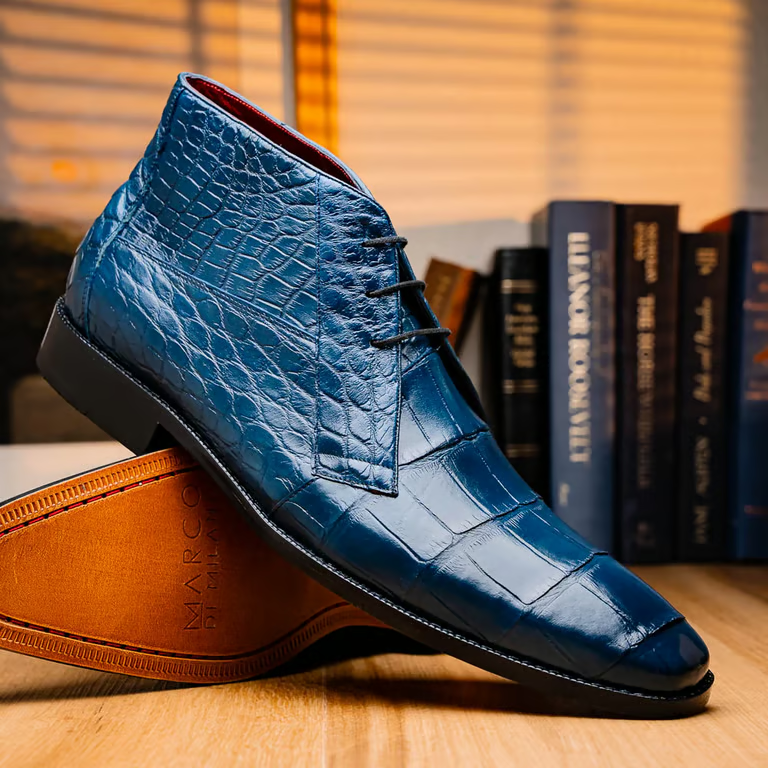
Belly (belly-cut): The vamp (the front part of the boot upper) uses larger, squarer tiles prized for their uniformity in premium boots.
Flank/side: Smaller, rounder scales; used for shafts or counter panels to add visual interest.
Tail/hornback: Pronounced ridges for a bolder, western look; less common on formal boots.
Natural variation, not perfection
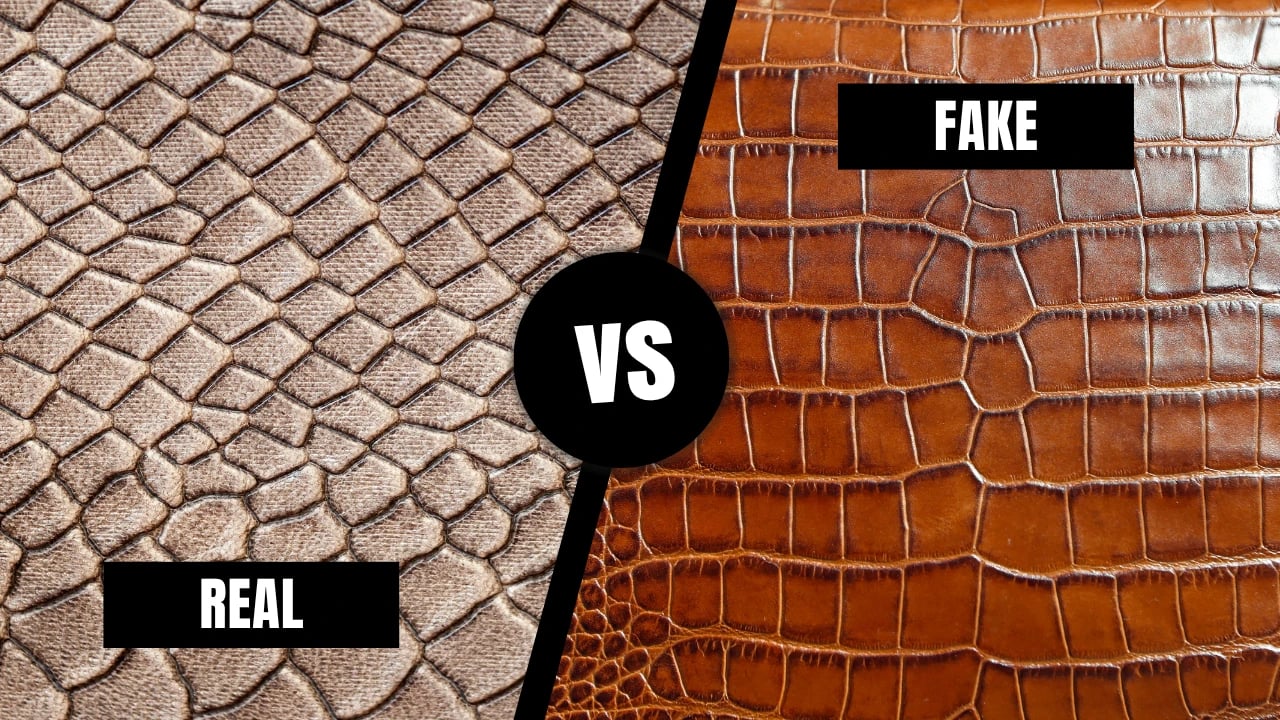
Genuine alligator displays artful irregularities in tile size, spacing, and valleys between scales; embossed leather produces a mechanical, overly perfect pattern. Each piece is a testament to the skilled artisans who hand-select hides for their unique characteristics, transforming natural variation from perceived flaw into a feature of romantic luxury.
The two field marks most buyers miss
Umbilical scar: The alligator's belly features a distinctive, elongated, star-like “webbed” scar, an authenticity marker makers often showcase.
(For crocodile vs. alligator) Scale pores: Crocodile leather often shows tiny sensory-organ pores visible on many scales after tanning; these pores are a hallmark of crocodile, not alligator. If you see uniform pores dotting each scale, you’re likely looking at a crocodile or a mislabel.
Real vs. Fake Alligator Boots: Authentication Checklist
Step 1: Pattern & texture
Look for irregular, non-repeating tiles with depth in the “valleys.”
Feel for natural suppleness; embossed plates often feel flat or stiff.
Step 2: Construction quality
Outsole & heel: Look for leather outsoles and stacked leather heels; cheap fakes often use glued synthetic bottoms.
Welt & stitching: Look for a Goodyear-welt (a stitched method attaching the upper, insole, and outsole) or a high-grade Blake stitch (a single row of stitching through the outer sole). Expect tight, even stitches per inch. Sloppy, wandering rows and loose threads are red flags.
Step 3: Lining & insole
Full leather linings (not fabric/vinyl) and a structured insole. Inconsistent lining materials are a common cost-cut.
Step 4: CITES compliance and tagging)
Document trail: American alligator is regulated. International trade requires proper permitting and documentation. Ask for paperwork or proof of lawful trade where applicable.
Step 5: Price logic
Genuine alligator leather commands a built-in certificate of authenticity due to its regulated supply and the dedication of artisanal craft. This inherent value instantly validates its premium price. Meanwhile, remarkably low prices for 'new' alligator boots typically indicate embossed cowhide or mislabelled species, which are unworthy of investment.
Step 6: Seller credibility
Choose established retailers known for pedigree, transparent provenance, impeccable service, and connoisseur-level care advice. Exercise caution when using marketplaces that offer “genuine” claims paired with stock imagery and no proven heritage.
Comparison Table: Real Alligator vs. Embossed “Gator”
Criterion
Genuine Alligator Boots
Embossed “Gator” (Cowhide/PU)
Scale pattern
Non-repeating, organic variation; depth in valleys
Alligator vs. Crocodile vs. Caiman (Why it matters)
Alligator: Smooth belly tiles, consistently even and luxurious; features a unique umbilical scar; has a soft, supple hand; commands premium pricing.
Crocodile: Visible sensory-organ pores within scales; a distinctive tile flow pattern; widely used in luxury goods, but distinct from alligator.
Caiman: Stiffer texture due to bony plates beneath the skin; often priced lower; choose for appearance and utility, but avoid alligator pricing for caiman.
To ensure you are making the right investment, explore our detailed guides to learn the crucial differences between Alligator vs. Caiman Boots or to decide which premium hide is right for you in Alligator vs. Crocodile Shoes.
Care & Value Protection
Clean lightly and condition sparingly with exotic-safe products; don’t saturate the valleys.
Use cedar boot trees and incorporate rest days to retain shape and manage moisture.
Service with a specialist cobbler for resoling and edge work. It maintains both value and appearance.
Look for the umbilical scar (alligator) versus visible pores on many scales (crocodile). If you see uniform pores in each scale, you’re likely looking at a crocodile.
Is caiman the same as alligator?
No. The caiman is a distinct crocodilian with a typically stiffer hand due to bony plates; it’s often priced lower. Don’t pay alligator prices for caiman.
What paperwork should I request?
For international movements, exporters typically need wildlife trade documentation. Request proof of lawful trade and item provenance from the seller.