Horse Racing Outfits: What to Wear to Horse Races
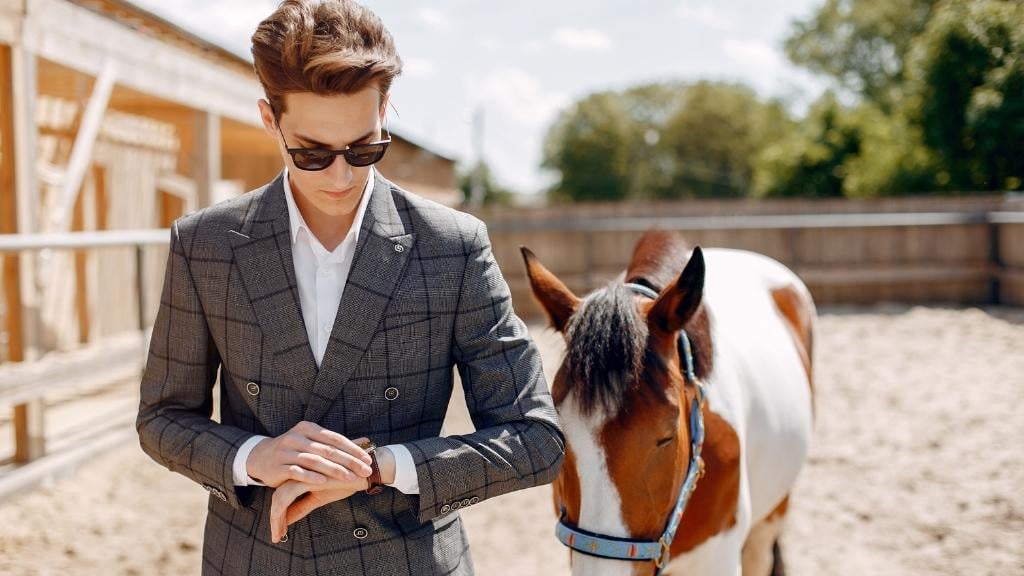
There’s something timeless about a day at the races. Whether it’s the history, the pageantry, or simply the excuse to dress well, horse racing remains one of the few social events where style still matters. Choosing the right horse racing outfits isn’t about overthinking fashion, it’s about understanding tradition, setting, and occasion.
For many, the question still comes up each season: what to wear to horse races? The answer depends on where you’re going, the time of day, and how formal the enclosure is. But one thing remains consistent horse race attire should always feel upscale, polished, and appropriate to the setting.
Is there a Dress Code When Attending Horse Races?
Yes, but it varies, most major racecourses maintain guidelines rather than strict rules, especially in general admission areas. However, premium enclosures, member areas, and iconic events like Ascot or Del Mar are far more structured. In simple terms, men’s horse racing clothing is expected to be smart. Think a well-cut jacket, pressed trousers, and proper shoes will always feel more appropriate than anything overly casual. Moreover, the key is to elevate your usual wardrobe. When in doubt, dress as though you might be photographed, it’s that kind of environment.
What to Wear to a Horse Race?
When deciding what to wear to a horse race, it helps to break it down by time of day and formality. The same outfit won’t always work across different settings, especially when comparing daytime elegance to evening sophistication.
Daytime Horse Racing
When considering horse race outfits in terms of men’s styling, consider dressing in not overly formal attire: unless you’re in a premium enclosure. Daytime race meetings are where tradition is most visible. This is where horse racing outfits truly come into their own. For daytime events, men’s horse race attire should lean toward smart casual with structure. A lightweight blazer in navy, beige, or soft grey works well, paired with chinos or tailored trousers, and shirts that are collared, Oxford cotton or linen depending on the season. Additionally, footwear should be leather and polished. We recommend loafers or derby shoes for warm weather, with brogues adding that classic edge. Keep in mind that this is not the place for trainers or overly relaxed clothing.
Evening Horse Racing
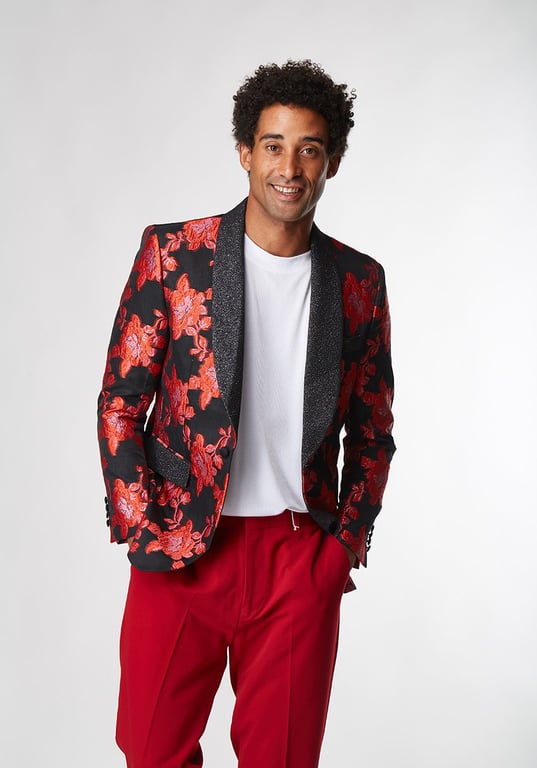
Evening meetings call for a more elevated approach that’s composed and understated. Lighting, atmosphere, and social expectations shift slightly, and so should your wardrobe. For what to wear to horse races in the evening, a darker palette works best. Navy, charcoal, and black become more appropriate, with a tailored blazer or even a full suit acting as the safest choice, especially in hospitality or VIP areas. Don’t forget a crisp white shirt, as it remains a staple for these events, but consider introducing subtle textures through knit ties or pocket squares.
Casual Horse Race Attire
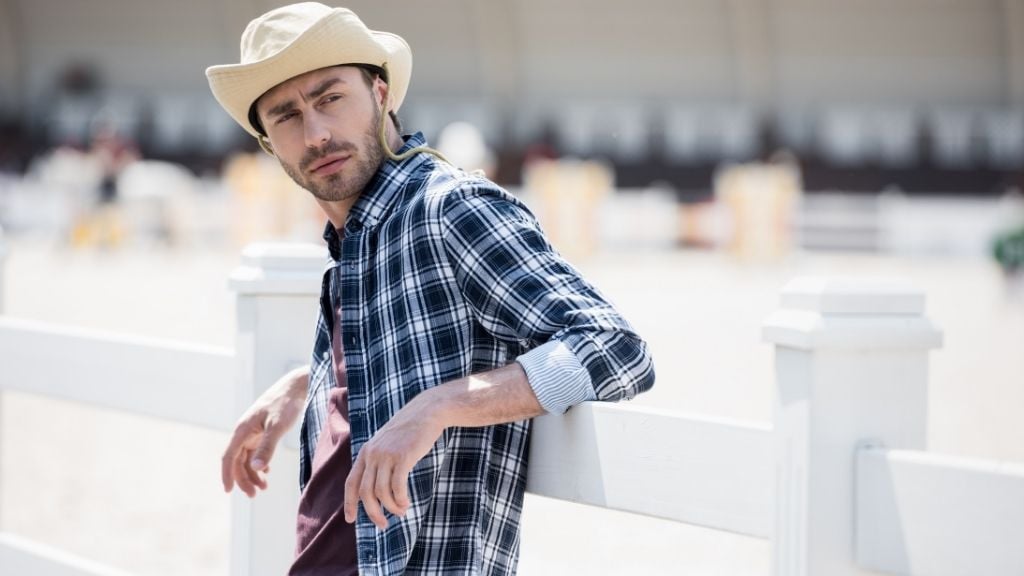
Not every race day demands formal dressing. General admission and relaxed enclosures allow for more flexibility, but casual horse race attire still requires careful planning. This is where many men get it wrong. Casual does not mean carelessness. While jeans are often acceptable at lower-tier venues, when paired with a blazer or a structured overshirt, this strikes the perfect casual balance. Additionally, polo shirts can work well, especially in warmer months, with linen shirts as another strong option for summer race days.
When thinking about clothes for horse racing in a casual setting, aim for “smart relaxed” rather than weekend casual. Ultimately, what to wear to the horse races in these areas still benefits from a tailored mindset.
What Footwear to Wear to the Horse Races?
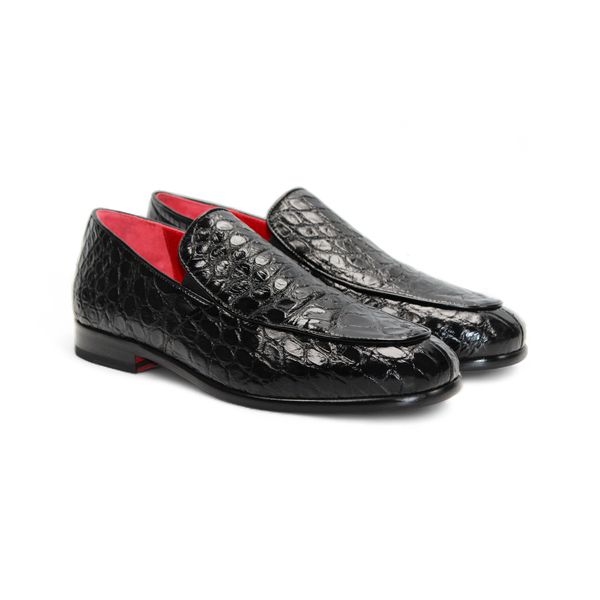
Footwear is one of the most overlooked parts of horse race outfits, yet it can define the entire look. For traditional men’s horse racing attire, leather shoes are essential. Oxfords, brogues, and loafers are all strong choices depending on the level of formality. Suede can also work well for daytime summer events, but should be avoided in wet conditions. Further, in more casual enclosures, clean leather sneakers may be acceptable at some venues, but they should still feel refined, minimalist, structured, and spotless with anything too sporty avoided entirely.
Best Hats to Wear to the Horse Race
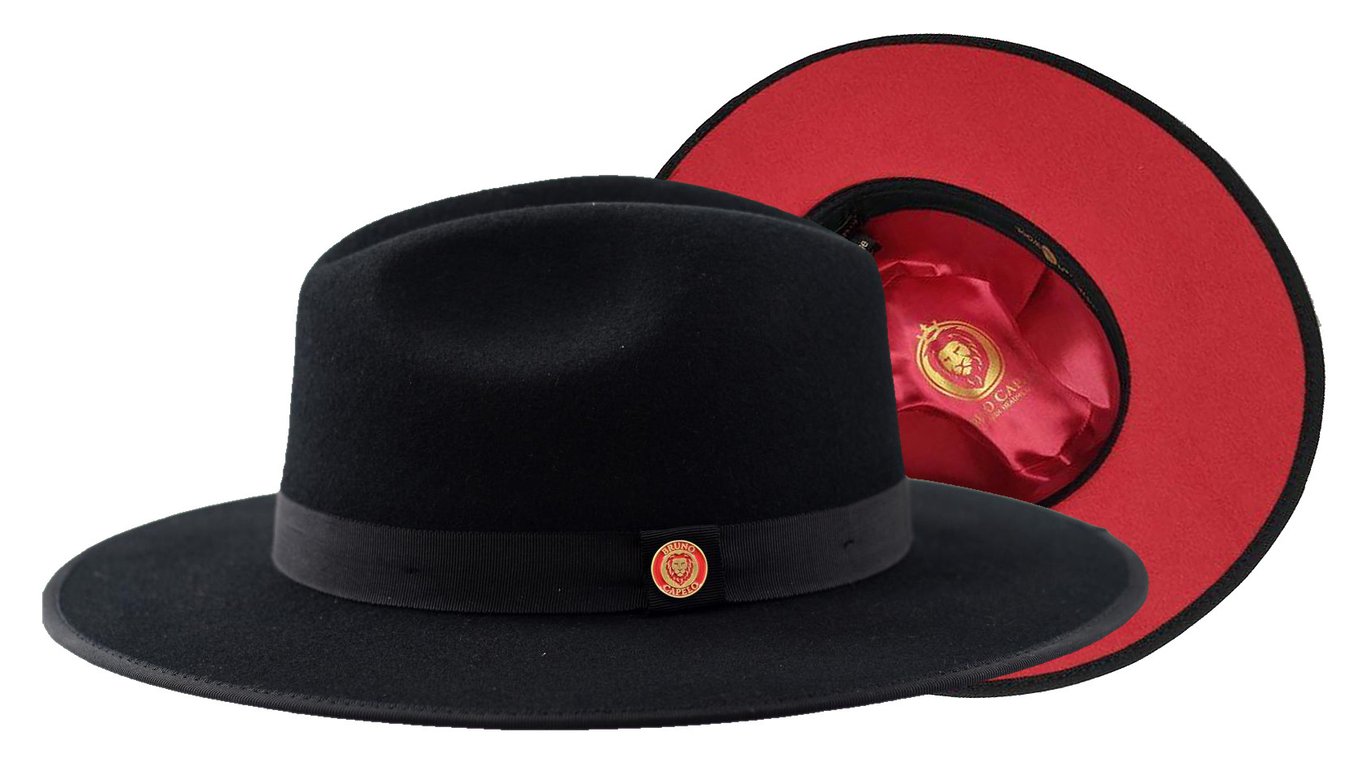
Headwear has long been part of racing culture, though it is more commonly associated with women’s fashion. That said, men’s horse race attire can still incorporate hats when done correctly. With traditional race meetings, a fedora or panama hat can add character, especially during summer events, with neutral tones like beige, grey, or navy working best to complement the rest of the outfit. However, at formal events such as Ascot, hats for men are less common but still acceptable in certain enclosures. The key is restraint, this is not about costume, but refinement.
FAQs
What is the official Ascot racing dress code?
The ascot racing dress code is one of the strictest in the world. In Royal Enclosure areas, men are required to wear a full morning suit with waistcoat and tie, along with formal shoes and appropriate headwear. Other enclosures are more relaxed but still require smart dress.
What do people wear to the Del Mar Horse Races?
When asking, “what do people wear to the Del Mar horse races?” one can expect a blend of California casual and upscale tailoring. Lightweight blazers, linen shirts, and chinos are common, with a strong emphasis on warm-weather fabrics and relaxed elegance.
What is the dress code at Millionaires Row?
Millionaires Row typically calls for formal or semi-formal attire. Suits are standard, and many attendees opt for classic men’s horse race attire with ties, pocket squares, and polished dress shoes.
Is it good to wear exotic leather during daytime races?
Exotic leather can be worn, but it should be subtle. Daytime horse race outfits are generally about understated elegance, so if used, it should complement rather than dominate the outfit.
What attire do you wear to horse races?
Most people wear smart casual to formal clothing depending on the enclosure. Horse racing outfits typically include blazers, tailored trousers, collared shirts, and leather shoes.
What not to wear to the horse race?
Avoid sportswear, ripped jeans, trainers, overly casual T-shirts, and anything too loud or distracting.