How to Choose Winter Boots: A Style Guide for Men
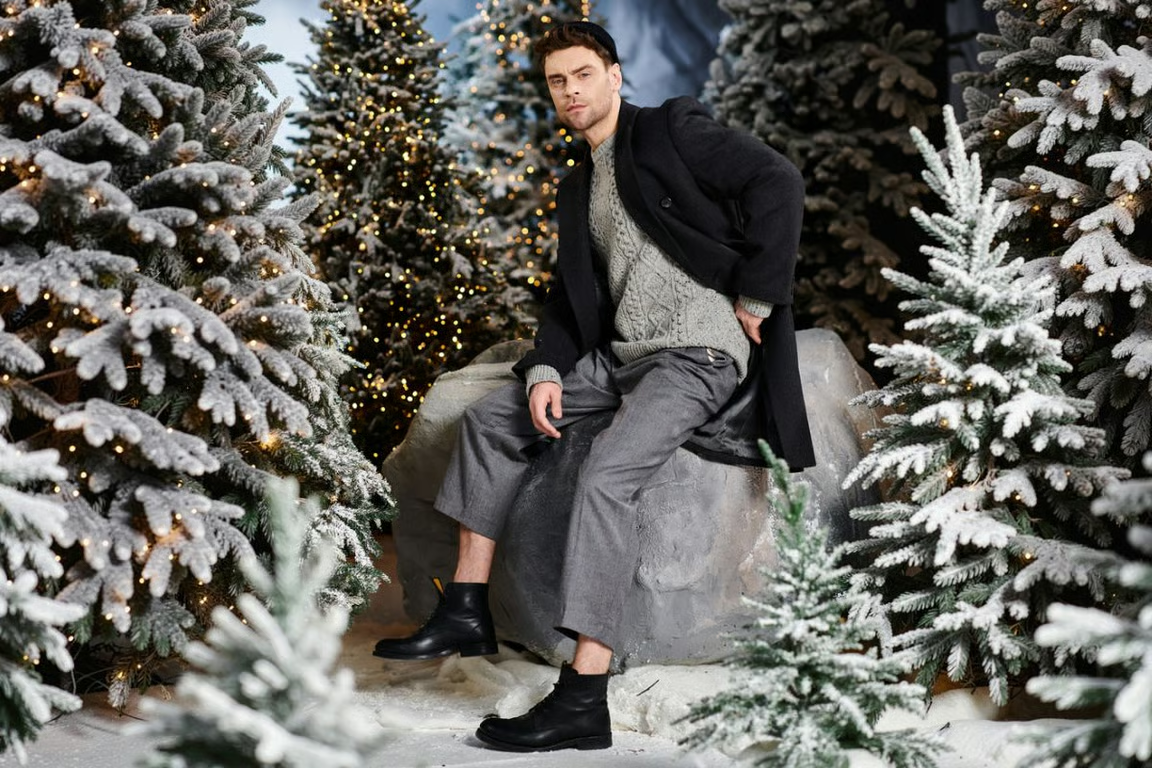
Your morning starts on a damp sidewalk and ends at a restaurant where bulky snow gear feels out of place. Knowing how to choose winter boots means finding footwear that suits that whole day, including the hours you spend indoors. A polished black ankle boot may finish your outfit beautifully, yet its shape alone tells you nothing about insulation or protection from slush.
Cold-weather shopping becomes easier once you separate appearance from construction. Begin with the conditions you actually face, then narrow your choices by fit and the clothes already in your closet. Someone walking several blocks to an office needs a different pair from a gentleman stepping straight from his car into dinner. The right choice starts with a clear purpose and ends with details you can check before buying.
Why Your Winter Boots Are a Wardrobe Investment, Not Just a Cold-Weather Necessity

To choose well, match the boot’s weather protection to your daily exposure, confirm comfortable sizing, and select a shape that works with your trousers. Prioritize waterproof construction and suitable insulation for wet, snowy conditions; reserve refined dress silhouettes for occasions their specifications can handle. Appearance comes after those checks.
Think of wardrobe value as how often a purchase earns its place in an outfit. An espresso-brown ankle boot can anchor olive chinos on Saturday and charcoal flannel trousers at a relaxed office. Black works better if your closet leans toward dark tailoring and monochrome evening clothes. Before committing, picture the pair with two outfits you already own, rather than imagining a new wardrobe around it.
What to Look for in Winter Boots
Construction matters more than the word “winter” in a product name. Use this checklist to decide what to look for in winter boots:
- Water protection: Seek an explicit waterproof specification for repeated contact with slush. Leather uppers or surface treatments alone do not establish that protection.
- Insulation: Check the lining and intended conditions. More insulation can suit prolonged outdoor exposure, while a heavily lined pair may feel uncomfortable in a heated office.
- Traction: Examine the tread and its intended use. Deep grooves alone do not establish grip on ice; assess any stated ice performance separately.
- Height: Choose a shaft that reaches above the snow you expect to encounter. Openings at ankle level remain entry points for deeper drifts.
- Walking comfort: Consider weight alongside cushioning. Substantial soles should still let you move comfortably through your normal stride.
Treat a temperature rating as guidance, not a personal warmth guarantee. Activity and exposure change what feels comfortable, so read the conditions behind any claim. Breathable construction also deserves attention if your feet become damp during active use. For persistent ice, consider compatible removable traction aids, following their instructions for use and removal indoors.
How Should Winter Boots Fit?
Ask yourself, “How should winter boots fit with the socks I actually wear?” Toes need room to move, while the heel should feel secure. Bring the socks you intend to wear, preferably a wool blend that does not bunch inside the footbed. Trying on footwear with thin dress socks can hide the extra room your usual winter pair needs.
Fasten both boots fully, then walk and take a few steps if available. Descending should not drive your toes into the front, and turning should not send your foot sliding sideways. Slight heel movement may be normal for a pull-on design, but rubbing or repeated lifting deserves another size or shape.
Width is a separate decision from length. Cramped forefeet may need a wider model rather than more empty space beyond the toes. Reject painful pressure at the fitting stage instead of expecting a break-in period to solve it.
Winter Boot Styles Every Man Should Know
Compare boot styles by their shape and closure before judging their suitability for the season. Tall shafts and thick soles can suggest rugged use, but the actual weather specifications still decide where a pair belongs. Sleek ankle footwear has a valuable place in a winter wardrobe, particularly for indoor occasions. Use the categories below to choose the look, then return to construction details before purchasing.
Chelsea Boots

Chelsea boots have elastic side panels and a clean, pull-on silhouette. Choose a dark brown pair with a rounded toe for wool trousers and a camel overcoat. That continuous shape keeps the lower half of your outfit tidy without adding visible laces. During wet commutes, examine the whole construction, including the elastic panels, rather than assuming a rubber sole makes the boot waterproof.
Chukka Boots

Chukka boots bring ankle-height coverage and a short lace fastening to relaxed outfits. Tobacco suede looks good beneath stone corduroys, while smooth chocolate leather gives indigo denim a sharper finish. Pick this style for a casual indoor schedule with limited exposure outside. Its low opening makes it a poor first choice for accumulating snow, and weather suitability varies by model.
Cap-Toe & Dress Boots

Cap-toe boots use a seam across the front to add structure, while dress models generally favor a slimmer profile. Black lace-ups with restrained detailing belong beneath a charcoal suit at an ordinary business meeting. Inspect the trousers from the side: the hem should fall over the shaft without catching. Discreet rubber outsoles can preserve the tailored appearance, though its winter performance still needs checking.
Other Winter Boots
Lace-up service boots give you adjustable fastening and a more substantial outline for straight-leg jeans. On winter trails, consider purpose-built hiking footwear whose insulation and traction suit the planned route. Deep snow calls for taller insulated snow boots, while duck boots combine a rubber lower section with a contrasting upper. Choose among these by the task: none becomes suitable for every winter condition simply because it looks rugged.
How to Choose Winter Boots for Your Lifestyle
Deciding how to choose winter boots becomes simpler when you account for outdoor time as well as temperature. Short trips between a vehicle and heated rooms favor a less bulky pair, provided its weather protection is adequate. Walking to transit puts greater emphasis on walking comfort and the surfaces along your route. Standing outside for an event calls for insulation appropriate to that exposure, rather than choosing the same footwear you wear for brisk errands.
Travel creates another decision: pack for your destination’s conditions instead of your home climate. Outdoor work may require task-specific protection beyond warmth, so check the job’s footwear requirements separately. Attending a dressy evening after a snowy commute may make carrying a second pair the most sensible choice. Let the practical footwear handle the journey, then change before joining the table.
Styling Your Winter Boots: Pairing Tips
Match trouser volume to the boot’s outline. Slim flannel works with a close-fitting dress shaft, while straight-cut denim gives a broader toe and heavier sole enough visual room. Avoid hems that collect in folds above the ankle, since bunching hides the shape you chose. Sit down during a fitting to check that the trousers also move comfortably over the upper.
For a weekend lunch, combine burgundy leather lace-ups with dark indigo jeans and an oatmeal shawl-collar cardigan. At dinner, black dress footwear looks composed with charcoal wool pants and a deep green velvet blazer. Both formulas give the shoes a clear role without requiring matching colors throughout.
Exotic skins introduce another kind of interest: python shows a patterned surface, while ostrich brings a dotted texture. Alligator and crocodile offer visible scale patterns that stand out against plain fabrics. Keep those surrounding garments quiet, such as black trousers and a cream merino sweater, so the surface remains the focus. These are styling choices, not evidence of weather performance.
Caring for Your Winter Boots
Follow the care directions for the exact material and finish before using a cleaner or treatment. Ordinary smooth-leather footwear may allow brushing away dry dirt and wiping residue with a lightly damp cloth, but confirm that method first. Suede needs its own approved routine rather than the cream used on polished leather. Skip household shortcuts when the maker has not recommended them.
After wet wear, allow drying as directed, keeping the pair away from direct heaters unless expressly permitted. Removable footbeds can be aired separately when the instructions allow it. Inspect for worn tread and loose stitching before the next outing, rather than noticing damage midway through a trip. Store the footwear dry, with enough space to preserve its shape.
FAQs
How should winter boots fit?
They should fit comfortably, with enough space for your chosen socks and no pinching when fastened. Assess both feet rather than judging from one: differences in foot shape can make the same size feel different on each side. Fit the pair to the foot that needs more room without leaving the other unstable.
What should you look for when buying winter boots?
Look for clearly described construction that suits your conditions, rather than relying on a seasonal label. Product photos rarely establish how seams are sealed or whether a lining adds insulation. If information is missing, ask for specifications before spending, especially if waterproof protection is essential.
What boot styles are best for men in winter?
Start with the setting and its demands. With an office wardrobe, compare how each candidate looks beneath your actual trousers before choosing. Product images taken without clothing can make a wide shaft or elongated toe seem less prominent than it will in a finished outfit.
Should I buy my winter boots a size bigger?
No, not automatically. Begin with the maker’s sizing guidance and assess your usual size with the intended socks. Check whether the chart uses US, UK, or European sizing before comparing numbers. Going larger only helps when the resulting pair still holds your foot securely.
What's the difference between waterproof and water-resistant boots?
Waterproof construction is designed to block water under its specified conditions; water resistance provides more limited protection against moisture. Neither label means water cannot enter through the opening at the top. Read the stated limits before assuming a pair is suitable for puddles or prolonged exposure.
Are Chelsea boots good for winter weather?
Yes, when the particular model has suitable construction for the conditions. Confirm whether it is a dress design or a winter-specific version before buying. An easy pull-on fastening may appeal for errands, but convenience alone says nothing about the protection provided by the upper and sole.
Can you wear boots with a suit?
Yes, refined ankle designs can work with ordinary business tailoring when the venue permits them. Business suits and black-tie attire have different footwear expectations, so avoid transferring the same rule to a tuxedo. Check the invitation’s dress code before treating a dress boot as evening formalwear.
How long should a good pair of leather winter boots last?
There is no reliable lifespan that applies to every pair. Usage and construction matter more than a luxury label, and repairability varies. Before purchasing, ask whether the sole can be replaced and which repairs are possible. That information helps you judge long-term value without relying on a promised number of years.
What boots are on trend this winter?
Make a clean Chelsea silhouette or a rounded lace-up your starting point, rather than buying solely for a seasonal trend. Defined soles add visual weight beneath heavier outerwear; narrow profiles keep tailored clothing crisp. Decide which proportion serves your closet before following a look that requires different trousers.
Upscale Menswear offers luxury and designer menswear, with an emphasis on exotic-skin footwear alongside Italian shoes and suits. If you are building an outfit around distinctive texture, that footwear focus provides a place to begin. Consider how your preferred finish will sit beside the outerwear and accessories you already wear. Our selection also includes blazers, giving you another way to frame the footwear within a complete look. Refer to the outfit formulas above to narrow your direction before browsing individual pieces.
Knowing how to choose winter boots gives you a clear reason for each purchase, from practical daily wear to a dressed-up evening. Shop and buy men’s boots at Upscale Menswear with your fit requirements and preferred outfits in mind.