How To Clean Alligator Shoes | Pro Care Guide
Caring for alligator leather is crucial for protecting your investment, but it's also essential to understand the material before you begin. The specific cleaning method depends on the leather's texture, such as smoother belly or ridged hornback, and its finish, whether glazed or matte. This guide outlines the exact tools and step-by-step techniques required to safely clean and condition your exotic alligator skin shoes without causing damage.
Understand Alligator Leather Before You Clean It
Belly vs. Hornback (and why it matters)
Belly (smoother tiles): dirt sits on the surface, easy to wipe; avoid over-saturating.
Hornback (raised ridges): debris hides in valleys; use a soft brush to gently lift dust before wiping.
Finish Types: Glazed vs. Matte
Glazed: mirror-like, needs minimal cream; avoid heavy wax buildup.
Matte: more absorbent; benefits from slightly more frequent, thin conditioning.
Tools & Products You Actually Need (and What to Avoid)
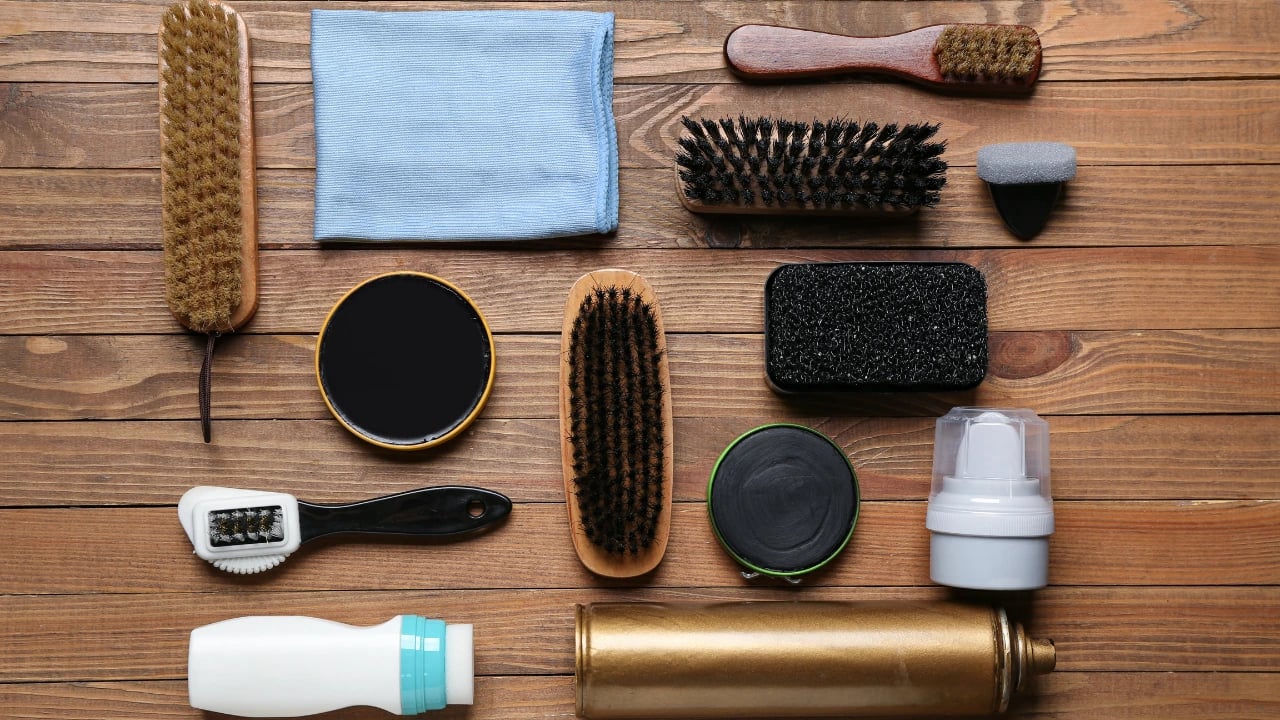
Essentials (approved for exotic skins)
Soft horsehair brush (shoe size) + a very soft detail brush (toothbrush-soft)
Two clean microfiber cloths (light color)
pH-balanced exotic leather cleaner (non-alkaline)
Neutral, silicone-free exotic leather conditioner (non-darkening)
Neutral cream polish only if finishing a glazed pair (very sparingly)
Cedar shoe trees (or boot trees/shaft shapers for alligator cowboy boots)
Avoid on Alligator Skins or Leather
Saddle soap, mink oil, petroleum greases
Alcohol, ammonia, baby wipes, bleach
Heat guns, radiators, hair dryers
Soaking or “water-rinsing” the leather
Cleaning Guide Table
How to Clean Alligator Shoes (Step-by-Step)
Step 1: Dry Dust & Inspect
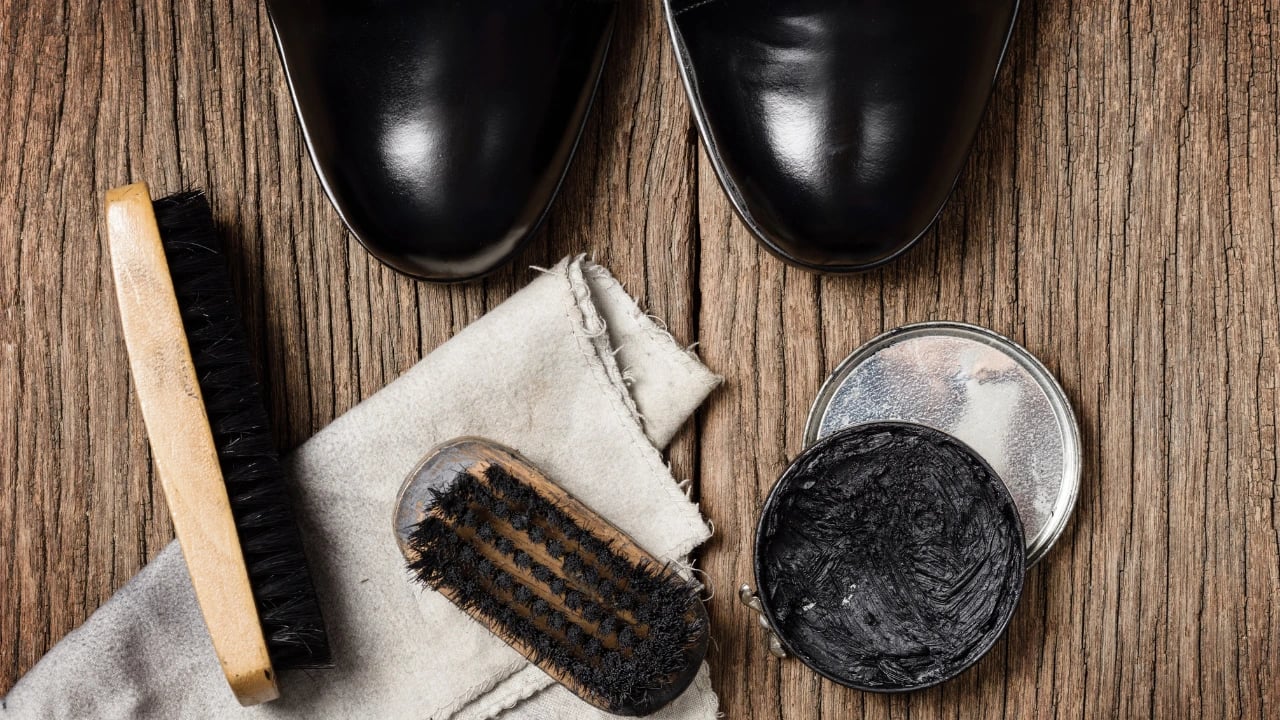
Insert cedar shoe trees in the shoes. With a horsehair brush, flick away surface dust, pay attention to welt seams and, on hornback, between ridges.
Step 2: Lift Crevice Debris
Use a super-soft detail brush to coax dirt out of valleys and stitch lines. Do not dig or pry.
Step 3: Controlled Spot Cleaning
For marks beyond dust, lightly dampen a microfiber cloth (distilled water), dab the area, then wipe, no soaking. Pat dry with a second cloth. Air-dry in a cool, well-ventilated space away from direct sunlight and heat sources.
Step 4: Condition in Thin, Tested Layers
Test the conditioner on an inconspicuous area of the skin. If safe, apply a thin coat over the upper surface, tile by tile. Let it settle, then buff gently. Two thin layers work better than one heavy coat.
Step 5: Finish the Look (Only When Needed)
- Glazed alligator shoes or boots: Apply a tiny amount of neutral cream and buff to revive sheen.
- Matte finishes & alligator loafers: Usually skip cream; rely on clean + condition for a rich, natural luster.
Step 6: Protect (Optional)
A light mist of an exotic-safe protector can help with incidental moisture and stains. Apply sparingly and follow the product’s instructions.
Checklist (printable)
Brush dust after each wear
Crevices: soft detail brush
Spot clean only (never soak)
Air-dry away from heat
Thin conditioner layers
Store with cedar shoe trees
Rotate wear (24-48 hours between uses)
Care for Alligator Skin Boots and Cowboy Boots
- Support: Cedar boot trees and shaft shapers prevent collapse and deep creases. Store them upright in a cool, dry location out of direct sunlight.
- Cleaning focus: Treat the vamp like shoes; for shafts, spend extra time brushing the valleys before wiping.
- Use case: For travel or ranch wear, add a light exotic-safe protector and brush off grit promptly after use.
- Drying: Avoid placing them near fires, heaters, or car vents; let them air-dry naturally.
Storage Tips
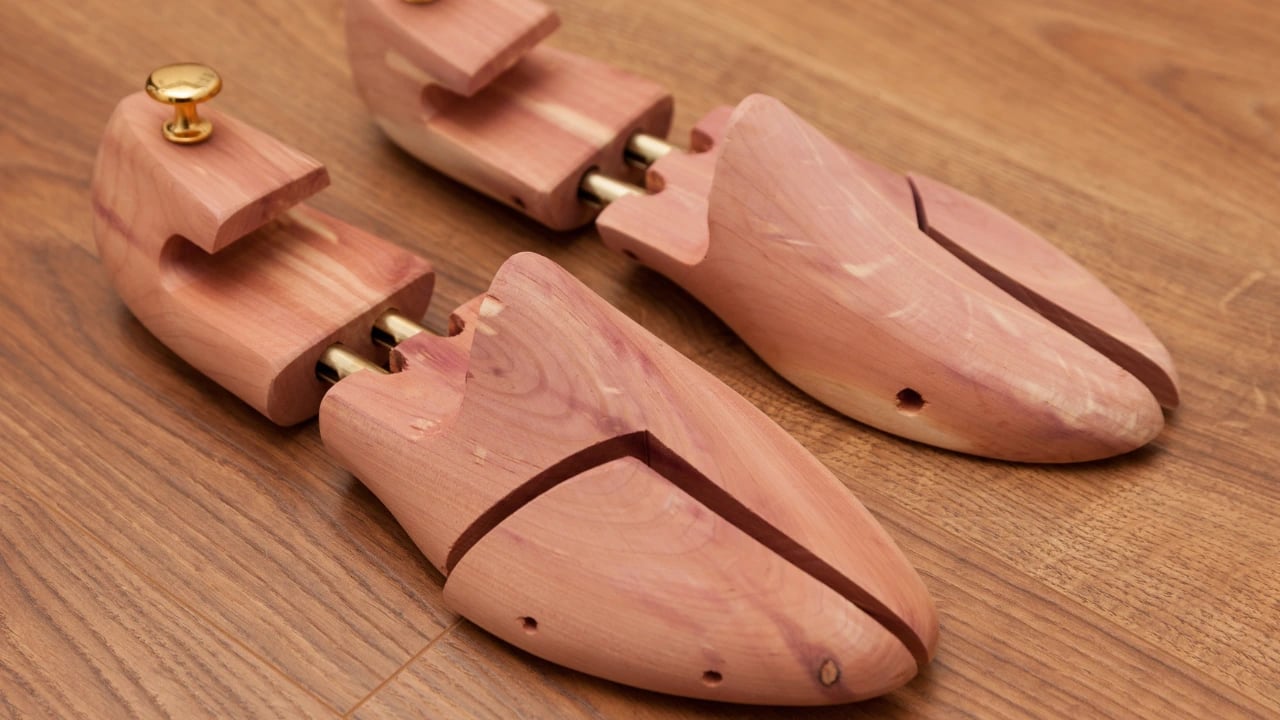
- Shape: Cedar shoe/boot trees absorb moisture and maintain their form; dust bags/boxes prevent settling dust.
- Environment: Store them in a cool, dry, dark place. Sunlight fades the color, and heat stresses the finish.
- Rotation: Rest for 24-48 hours between wears to allow the leather to rebound.
- Travel: Use breathable bags; avoid tight compression; never leave in hot cars.
Troubleshooting Common Issues
- Water spots: Blot immediately, then air-dry away from heat sources; recondition lightly.
- Salt or street film: Very lightly damp wipe; dry; re-condition and avoid aggressive removers unless labeled exotic-safe.
- Scuffs on glazed pairs: Micro-buff with a soft cloth; if needed, apply a pearl of neutral cream and lightly buff (don’t build wax layers).
- Mold from humidity: Isolate; dry in a ventilated area (no heat); wipe lightly; condition sparingly. Persistent growth requires professional restoration.
- Deep creases: Trees + time; avoid steaming or heat tricks.
Improving Alligator Skin Longevity
- Brush after every wear; clean only when needed.
- Condition the leather thin, test it first, and let it rest.
- No heat, dry it naturally.
- Respect the finish: glazed surfaces require minimal cream; matte surfaces need light nourishment, not shine.
- Store like a suit: shaped, supported, shaded.
Disclaimer
Guidance provided for general information only. Verify suitability for your specific pair and conduct a spot test first; consult a professional when unsure. You are responsible for the results. Upscale Menswear is not liable for damage arising from the use or misuse of this information.
FAQs
Can I wear alligator shoes in the rain?
Avoid the heavy rain. If they get wet, blot them dry and air-dry away from heat sources, then recondition lightly.
What conditioner is safe for an alligator?
Use a neutral, silicone-free conditioner formulated for exotic leathers. Always patch-test first on a hidden area of the skin.
Should I use a protector spray?
Yes, if it’s labeled for exotic leather. Apply lightly and reapply per instructions; avoid generic waterproofers.
How often should I condition?
For frequent wear, apply light conditioning every 4-8 wears. For occasional wear, apply every 1–2 months, always in thin layers after a proper dry.
What’s different about cleaning alligator boots vs. shoes?
Boots require shaft support and additional crevice brushing, as well as careful upright storage with boot/shaft shapers to prevent collapse and creasing.