How to Dress for Cold Weather: The Art of Layering

Your dinner reservation calls for a sharp outfit, but the walk from the parking garage calls for something warmer. Understanding how to dress for cold weather helps you handle both without burying a well-cut suit beneath bulky clothes. A charcoal coat over a navy jacket can look deliberate, while hidden thermals handle the less visible work.
The challenge changes with your plans. An afternoon outside needs more protection than a quick trip between heated buildings, and a damp sidewalk changes your footwear choice. Good cold weather layering gives your legs as much attention as your chest. For a man who enjoys rich texture, winter also offers room for brushed wool and substantial knits. Start with the function of each garment, then build the outfit around where you are going.
The Cold Weather Layering System: Base, Mid and Outer Layers
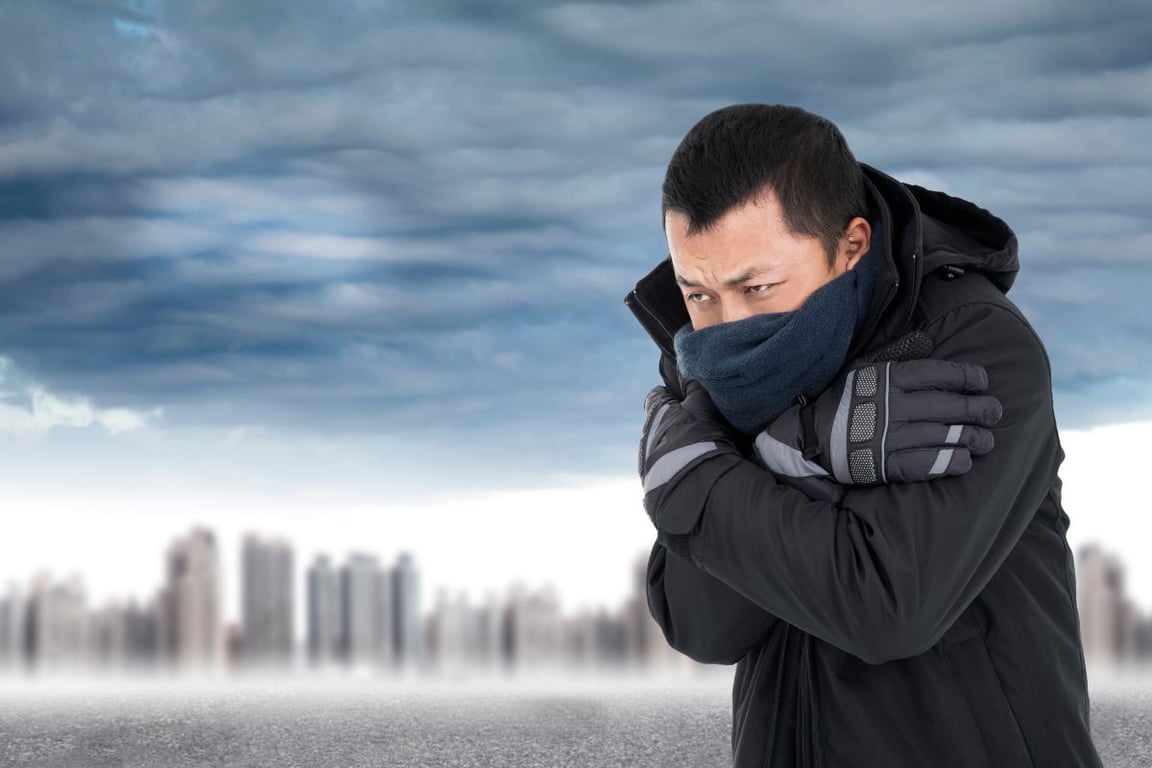
Learning how to dress for the cold weather comes down to a moisture-managing base, an insulating middle and outerwear suited to wind or precipitation. Merino thermals, a wool sweater and weather-appropriate outerwear give each part a clear job. Knowing how to dress for warmth means matching insulation to your activity and the time you expect to spend outside.
When layering clothes for cold weather, check how the pieces fit together. Try the complete combination before leaving, then sit down and reach forward to check that nothing pulls.
Base Layer Clothing for Cold Weather
Begin with a lightweight merino undershirt for a commute with long stretches indoors. Base layer clothing for cold weather should sit close to your skin without squeezing your torso or gathering beneath your waistband. Flat seams help keep the outline discreet under a fitted shirt. Before a longer outdoor evening, add thermal bottoms beneath trousers with enough room through the seat and thighs.
Warm Layers for Cold Weather: The Mid-Layer
Fine-gauge cashmere in a crewneck works beneath a blazer because it adds insulation without filling the sleeves. Reserve a chunky wool pullover for outfits with a roomier jacket. Selecting warm layers for cold weather by construction helps you judge insulation, rather than assuming every sweater offers equal protection. If you need another insulating piece, a slim vest leaves your arms less crowded than a second thick knit.
The Outer Layer: Overcoats and Topcoats
Topcoats are generally lighter than overcoats, although the names alone cannot tell you how warm either garment will feel. Inspect the fabric weight, lining and closure. For tailoring, choose a coat that fully covers the jacket hem and closes comfortably over your outfit. Dense wool suits dry city weather, while steady rain requires waterproof protection rather than confidence in a dress coat.
How Many Layers for Cold Weather?
Treat three functional layers as an initial framework, but they do not always mean exactly three garments. A shirt and suit jacket may sit between your undershirt and coat. The right garment count also depends on movement: walking briskly generates more heat than waiting outside. Layering successfully means adding insulation for a stationary evening and removing a piece before you perspire heavily.
What to Wear in Cold Weather by Temperature

Use the forecast's feels-like reading as a starting point when deciding what to wear in cold weather. Suggested combinations suit ordinary city outings with access to shelter, rather than prolonged exposure. Rain, strong wind and your own tolerance may call for different equipment. Treat the bands as outfit suggestions, never guaranteed temperature ratings.
That lowest band spans very different conditions. In severe cold or during extended time outdoors, prioritize purpose-built protection and shelter over a tailored appearance.
Cold Weather Clothing Fabrics
Fabric names give you a starting point, but thickness and construction determine how cold weather clothes perform. Compare insulation separately from weather resistance. Thick fleece can feel warm indoors yet allow wind through outside. This table distinguishes those jobs so you can choose each piece more deliberately.
Down loses insulating performance when wet, while synthetic fill generally retains more warmth when damp. Neither choice removes the need for suitable rain protection.
How to Dress for Cold Weather in Tailored Clothing

Learning how to dress for cold weather in tailoring starts with space inside the outfit. Button your jacket over the intended underlayers and check that the lapels lie flat. Horizontal pulling across the front suggests the combination is too crowded. Smooth merino beneath your shirt is easier to accommodate than a thick sweatshirt.
Charcoal wool flannel trousers offer a gentleman texture without changing the character of a formal outfit. Look for a straight or gently tapered leg that allows movement over thermals. Keep a burgundy scarf as the color accent, or let the visible pattern of alligator footwear carry that role at an indoor event. One expressive detail gives the eye a focal point.
Outfits for Cold Weather
Build your outfits for the cold weather around the destination first, then adapt them for the journey. Office suits and weekend jeans need different supporting pieces. Each formula shows what pants to wear in cold weather alongside a specific shoe choice. Their temperature bands assume the same short urban outings described above.
Office: The Overcoat Over a Suit
Between 35°F and 44°F, pair a navy suit with a pale-blue shirt, discreet thermal undershirt and charcoal overcoat. Complete it with a gray scarf and lined gloves for the commute. Rubber-soled black Oxfords suit dry pavement. When your journey includes snow, travel in protective boots and pack the office pair separately.
Date Night: A Dark Knit and Chelsea Boots
At 45-54°F, wear a black merino turtleneck with charcoal wool trousers and a camel topcoat. Black Chelsea boots continue the dark line of the pants. Let the trouser hem sit close to the boot opening rather than exposing your ankles. Camel outerwear provides enough contrast without another strong color.
Weekend Casual: Heavy Denim and a Chunky Knit
On a dry day in the mid-30s to low 40s, combine straight-leg indigo jeans, thin thermal leggings and an oatmeal cable-knit sweater. An insulated casual jacket and rubber-soled brown chukkas finish the outfit. Select denim with room at the knee so the underlayer stays comfortable when seated. Switch to waterproof boots if slush enters the forecast.
Winter Wedding or Holiday Event: Dark Suit, Overcoat and Leather Gloves
With a feels-like temperature between 35°F and 44°F, a charcoal three-piece suit with an ivory shirt works for a wedding that requests suits. Finish with a dark overcoat, burgundy neck wrap and lined leather gloves. Black rubber-soled dress shoes keep the footwear restrained. Follow the invitation: a black-tie event calls for its specified eveningwear, rather than treating a dark business suit as equivalent.
Coldest Days and Travel: Thermals, a Heavy Knit and a Warm Coat
Below 25°F, start with merino underwear and roomy wool pants, then add a substantial sweater beneath insulated outerwear. Insulated, waterproof lace-up boots suit snowy journeys. Complete the combination with a hat and protective gloves. On arrival, remove the outer insulation before settling into a heated terminal or train carriage.
Cold Weather Footwear: Socks, Boots and Dress Shoes

Assess the route underfoot before deciding which shoes finish your outfit. Cleared pavement, salted steps and packed snow demand different levels of protection. Sleek ankle boots can suit dinner, while an icy parking lot may require additional traction equipment. Choose your footwear before finalizing the trouser hem, allowing it to cover the ankle without dragging through puddles.
How to Layer Socks for Cold Weather
Fit matters more than pair count when you decide how to layer socks for cold weather. In fitted dress shoes, wear one fine merino-blend sock that reaches over the calf. Adding another pair can crowd your toes and restrict circulation, making your feet feel colder. Thin synthetic liners beneath wool work only in boots with sufficient space. Leave cotton socks out of this combination.
Boots for Cold Weather

Prioritize rubber tread for winter walking, while remembering that no ordinary sole guarantees traction on ice. Chelsea boots suit dressed-up days, chukkas work with casual pants, and insulated lace-up designs suit colder journeys. Verify water resistance and lining on the individual pair rather than judging by its silhouette. Continue to the winter boots guide for a closer comparison of styles.
Dress Shoes in Winter
Smooth leather soles can slip on wet pavement and offer poor purchase on ice. Favor rubber-soled dress footwear for ordinary winter walking, or carry your formal shoes and change indoors. Rotate pairs, allowing at least a day between wears and longer if they remain damp. Store the spare pair in a bag so wet boots stay separate from the rest of your belongings.
Protecting Leather From Salt and Slush
With ordinary smooth leather, wipe away surface salt the same day with a lightly dampened cloth, following the maker's care instructions. Allow the shoes to dry away from direct heat, then use a compatible conditioner as directed. Insert properly fitted shoe trees to support their shape. This routine applies to smooth leather only; other materials need their own care instructions.
Cold Weather Essentials
These cold weather essentials cover the gaps a coat leaves exposed. Navy wool headwear that reaches your ears pairs neatly with gray outerwear. Wrap a substantial scarf around the neck opening, keeping the ends secured inside the coat. Commuting in lined gloves means choosing a pair that extends far enough beneath the cuffs to avoid bare wrists.
During longer outdoor waits, insulated mittens may be warmer than similarly constructed gloves. Carry a dry replacement pair of socks on wet travel days. Pack your bag before leaving, rather than discovering a missing glove at the station. Those small pieces let you adapt an outfit without changing its main silhouette.
How to Stay Warm in Cold Weather: Five Mistakes to Avoid
To understand how to stay warm in cold weather, recognize when your outfit works against you. These five mistakes explain why adding clothing does not always improve comfort. Look for them before you leave and again when your activity changes. Each correction addresses a different source of heat loss or poor fit.
- Wearing damp clothes. Replace wet underlayers instead of hiding them beneath another sweater, especially after an active walk.
- Crowding the outfit. Loosen a tight boot or remove an unnecessary garment if the combination presses against your body.
- Leaving openings exposed. Close the collar and cover wrists where sleeves meet gloves, particularly while standing in wind.
- Choosing by fabric name alone. Check the coat's construction and protection, since an impressive material label does not establish suitability for your journey.
- Keeping every layer on indoors. Open or remove insulation before a warm room leaves you sweaty for the trip home.
FAQs
How many layers should I wear in cold weather?
Plan on three functional layers and adjust for your plans. Consider the return journey as well as departure: an afternoon appointment may end after temperatures fall. Carrying a removable vest lets you prepare for that change without wearing everything from the outset.
Are jeans good for cold weather?
Jeans work for dry, limited outings when you add suitable thermals, but ordinary denim is a poor choice for prolonged wet conditions. Avoid heavily distressed pairs, since open tears leave skin or underlayers exposed to moving air.
Is nylon good for cold weather?
Nylon is useful in purpose-made base garments and weather-resistant outerwear, but a thin nylon layer supplies little insulation by itself. Check whether the material label describes the whole garment or only its lining before judging what you are buying.
How do you layer socks for cold weather?
Wear one fine wool-blend pair in close-fitting shoes, or a liner and wool combination in sufficiently roomy boots. Keep the liner smooth beneath your heel. Wrinkles can create uncomfortable pressure, even when the overall thickness fits.
What should I wear under a suit in cold weather?
Wear a thin thermal undershirt beneath your dress shirt, adding discreet leggings when needed. Match the undershirt's neckline to the shirt opening, and check it in daylight. Visible contrasting collars or sleeves beneath pale shirting can distract from otherwise clean tailoring.
Can you wear an overcoat over a suit?
Yes, provided the overcoat accommodates the jacket and covers its hem. Try it on with the suit you actually intend to wear. Test the sleeve opening too: your jacket cuffs should pass through comfortably without catching or bunching.
How do you stay warm in cold weather without looking bulky?
Use low-profile insulation and preserve enough room for it within your outerwear. Place thinner garments beneath more substantial ones so the silhouette stays controlled. Sleeveless insulation can add torso warmth without creating another set of thick cuffs.
What should a man wear when it is 30 degrees outside?
During a short outing around 30°F, start with thermal underwear, wool trousers, a sweater and insulated outerwear, plus protective accessories and suitable boots. If the air feels much colder because of wind, use the lower temperature band rather than the thermometer reading alone.
Once you understand how to dress for cold weather, your winter wardrobe becomes easier to put together. Browse and shop at Upscale Menswear to find the piece around which you can build your next outfit.