Male Body Types: How To Dress For Your Body Type
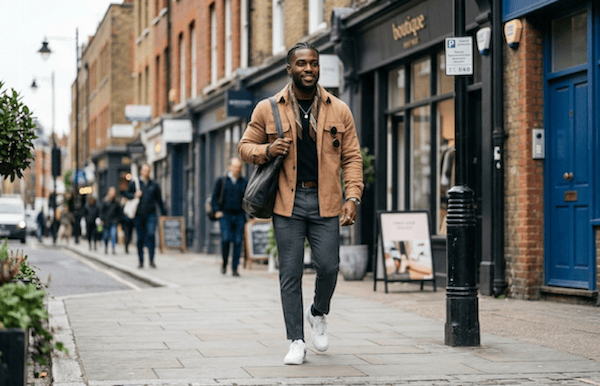
Every man has that one outfit that just hits different, the jacket sits perfectly, the pants fall clean, and the shoes finish off the look turning heads. That confidence doesn't come from chasing trends, it comes from understanding your frame and learning how to work with it. However, the truth is, style is not a one-size-fits-all phenomenon. The cuts that flatter one gent may completely throw off another, which is why understanding different male body types matters. Once you know your shape, shopping becomes easier, getting dressed becomes faster, and your wardrobe starts working for you instead of against you.
Understanding Male Body Types
There are several ways to categorize body types men commonly fall into. Some focus on geometric body shape, while others look at muscle and fat distribution. Together, they help explain why certain pieces fit differently from one man to the next.
The Five Geometric Male Body Shapes
These different male body types are based on shoulder width, waist size, chest shape, and overall proportions. A male body types chart can help visually identify where you fall, but you probably already have a rough idea just by looking at how clothes fit your frame.
Most male body shapes fit into one of these categories:
Rectangle
Inverted Triangle
Triangle
Oval
The Somatotype Connection
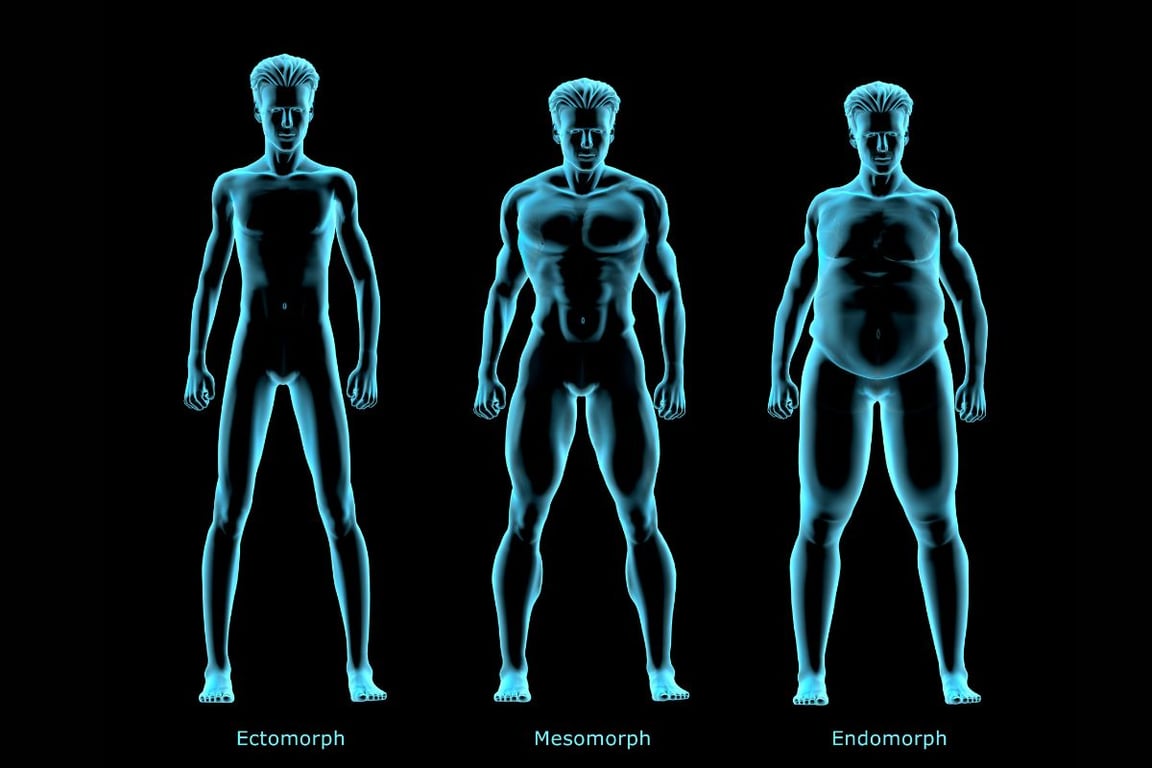
Another way to understand men's body types is through somatotypes. These physique types describe how your body naturally carries muscle and weight.
Ectomorph
Lean, narrow, and naturally slim. Ectomorphs often struggle to gain size and usually have longer limbs.
Mesomorph
Athletic and balanced. Mesomorphs tend to build muscle more easily and often have broad shoulders with a trim waist.
Endomorph
Broader and fuller in shape. Endomorphs may carry weight around the waist, hips, or chest and often fall into the stocky body type category.
Keep in mind that most men are actually a blend of these masculine body types rather than fitting perfectly into one.
How to Find Your Body Type
If you are wondering how to find your body type, stand in front of a mirror wearing fitted clothes or a plain T-shirt and jeans and focus on these areas:
- Are your shoulders wider than your waist?
- Does your torso fall straight up and down?
- Is your midsection fuller than your chest?
- Are your hips wider than your shoulders?
Pay attention to how jackets fit, where shirts pull, and whether pants balance your proportions. Knowing how to dress for your body type starts with understanding your natural shape and not fighting against it.
The Five Male Body Types and How to Dress Each One
The Rectangle Body Type

Men with a rectangle shape have shoulders, waist, and hips that are fairly even in width. The goal here is to create more structure and dimension.
What Works Best
- Layered outfits with jackets or overshirts
- Structured blazers with broader shoulders
- Patterned shirts and textured fabrics
- Straight-leg trousers or tailored denim
For footwear, leather Chelsea boots, clean sneakers, and loafers help add that little touch of personality.
What to Avoid
- Baggy clothing that makes the body appear boxy
- Oversized tees with no structure
- Skinny jeans that make the legs appear too thin
This is one of the most common men's body types, and the good news is it gives you a lot of flexibility.
The Inverted Triangle Body Type
This shape features broad shoulders and chest with a narrower waist and hips. Think athletic builds and gym-trained frames.
What Works Best
- Slim-cut shirts that follow the body naturally
- Straight-leg pants to balance the upper body
- Lightweight knit polos and open-collar shirts
- Minimalist jackets without oversized shoulder padding
Footwear like sleek dress boots, low-profile sneakers, and monk straps help keep the silhouette balanced.
What to Avoid
- Super tight shirts that exaggerate the chest
- Double-breasted jackets with heavy structure
- Skinny pants that make the top half look oversized
When learning how to dress for body type, balance is everything for this frame.
The Triangle Body Type
The triangle shape has narrower shoulders with a wider waist and hips. The key is drawing attention upward while creating cleaner lines through the torso.
What Works Best
- Jackets with stronger shoulders
- Darker pants with vertical details
- V-neck sweaters and layered outerwear
- Structured button-down shirts
For shoes, cap-toe dress shoes, chukka boots, and classic leather sneakers help ground the outfit without adding too much bulk.
What to Avoid
- Tight shirts around the stomach
- Bright-colored pants
- Thin clingy fabrics that highlight the midsection
This is one of the types of male body types where tailoring makes a huge difference, since even small adjustments can completely change how clothing sits on the body.
The Oval Body Type
Oval body shapes carry more width through the midsection while the shoulders may appear narrower. Comfort matters here, but so does shape and proportion.
What Works Best
- Single-breasted blazers
- Vertical stripes and darker tones
- Relaxed but tailored fits
- Open-collar shirts that elongate the chest
The best footwear includes sleek boots, rounded loafers, and streamlined sneakers.
What to Avoid
- Oversized clothing that adds unnecessary volume
- Loud horizontal stripes
- Short jackets that stop at the waist
Men with a stocky body type often make the mistake of hiding under oversized clothes, whereas a better fit usually creates a stronger overall look.
The Trapezoid Body Type

The trapezoid is considered the most naturally balanced of the male body types. The shoulders are slightly wider than the waist, creating a proportion that works well with many styles.
What Works Best
- Tailored suits
- Fitted polos and knitwear
- Straight or tapered trousers
- Lightweight bomber jackets and overcoats
This shape works especially well with loafers, brogues, luxury sneakers, and dress boots.
What to Avoid
- Extremely oversized streetwear fits
- Extra skinny clothing
- Heavy layers that hide the body's natural shape
Even though this is often considered the easiest of the different male body types to dress, fit still matters more than labels or trends.
FAQs
What are the different male body types?
The main male body types are rectangle, triangle, inverted triangle, oval, and trapezoid. These shapes are based on shoulder, chest, waist, and hip proportions.
How do I find my body type as a man?
To figure out how to find your body type, compare the width of your shoulders, waist, and hips while paying attention to how clothes naturally fit your frame.
What clothes look best on men with inverted triangle body?
Men with this shape look best in balanced outfits like slim-cut shirts, straight-leg trousers, lightweight jackets, and clean footwear that does not overpower the lower half.
Can men with regular body type wear a suit?
Yes, structured suits with defined shoulders and tailored waists work especially well for rectangular builds because they create stronger shape through the torso.
Do shoes affect how my body type looks in an outfit?
Yes, shoes help balance proportions. Chunky footwear can overwhelm slimmer builds, while sleek shoes can help streamline broader frames.
Is there a best make body type for men's fashion?
Not at all, Every shape has strengths. Great style comes from understanding your proportions and choosing pieces that complement your frame rather than copying someone else's look.
How do I build a wardrobe around my body type?
Start with essentials that fit properly. Focus on jackets, pants, shirts, and footwear that work with your proportions. Once you understand how to dress for your body type, building outfits becomes far more natural and enjoyable.