Tuxedo vs Suit: Understanding the Key Differences
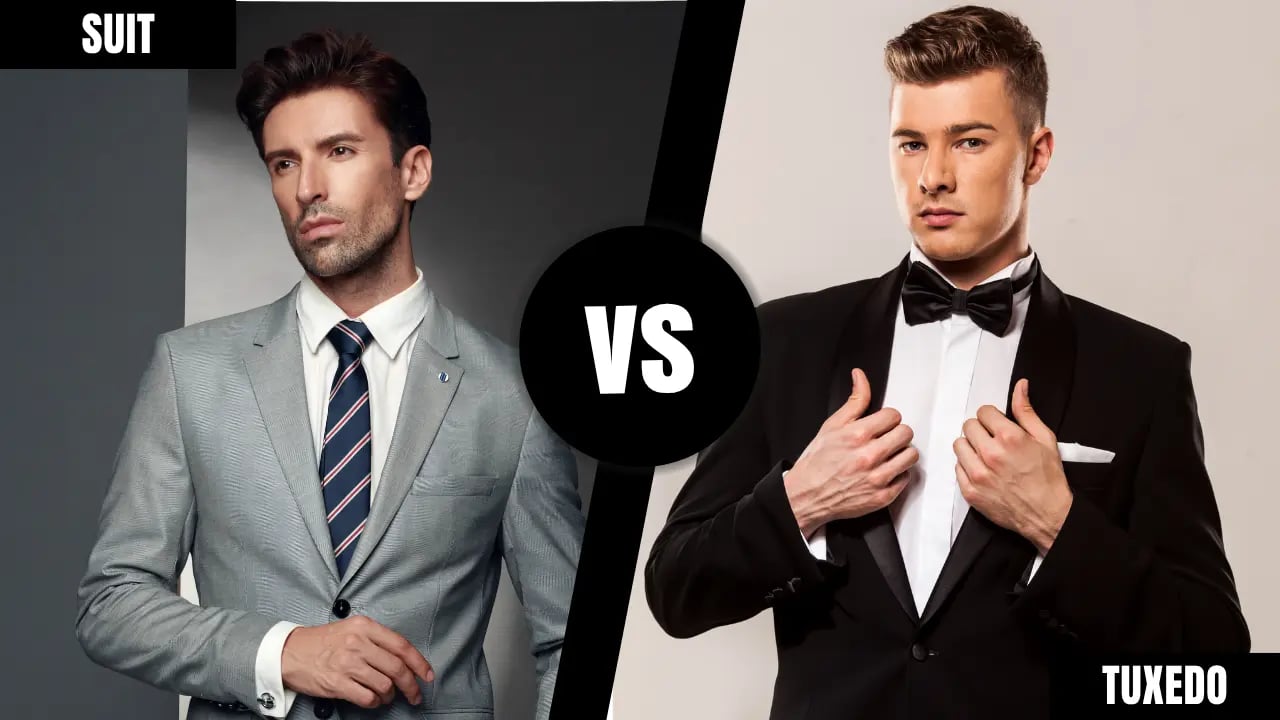
Most of us have a pretty good idea about the differences between a tuxedo and a suit, but there are still moments of uncertainty about these. Why is that? It can be that, especially today, people mix and match clothing and that can cause confusion about what’s appropriate to wear, and when. Then, there is the time of day, which can often require different styles and colors. Plus, the role a person fulfills can also contribute to which wardrobe item to wear (for example, if you are a groom at a wedding).
All of these variables and more require some explanation, and we’ll start by distinguishing between a tuxedo and a suit. We’ll break down all their features and find out how, when, and where to wear these distinctive men’s clothing pieces.
What Is a Tuxedo?
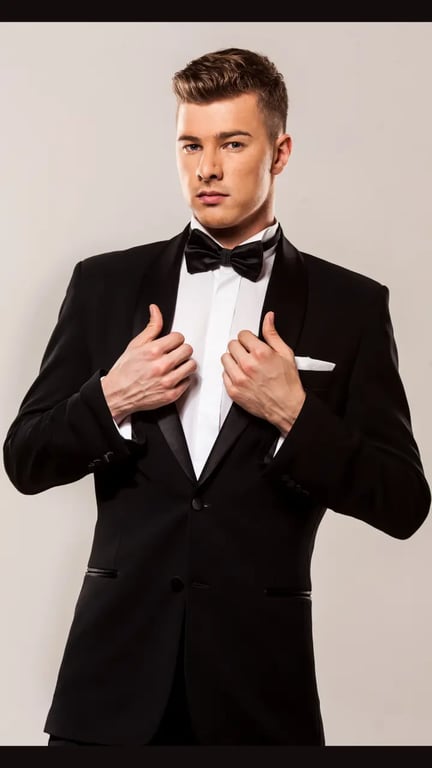
You’ve probably worn a tux to a wedding or at your own wedding. You know the elegant look it provides. Tuxedos arose in the late 1800s from the social scenes of Tuxedo Park, New York. It became a staple for evening sophistication. It includes a jacket, trousers, and a shirt, all designed with the utmost elegance in mind.
The jacket features satin-faced lapels (peaked for boldness or shawl for smoothness) that add a gentle sheen. Satin-covered buttons and a matching stripe along the trouser legs complete the polished look. Traditionally, it pairs with a silk bow tie. It is ideal for formal settings such as black-tie gatherings, evening weddings, or galas.
What Is a Suit?
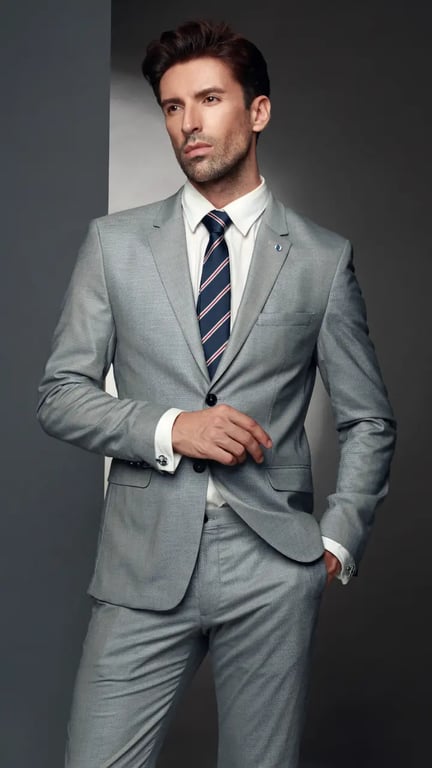
A suit is a core piece in a man's wardrobe: it includes a jacket with trousers in the same fabric for consistent style. Its roots are in British tailoring from the 19th century. A suit features lapels in notch or peak styles, integrated with the jacket's wool, cotton, or blend material, with buttons to match.
Trousers are often plain-fronted, and the look is completed with a long necktie; silk for smoothness or wool for texture, knotted simply. A crisp cotton dress shirt with a spread collar is a common mainstay.
The suit’s versatility is its main strength. For example, a navy suit can be fine to wear through a workday and into a relaxed dinner.
What are the Differences Between a Tuxedo and a Suit?
You may wonder what the difference is between a tuxedo and a suit. The tuxedo expresses evening elegance, while the suit provides everyday grace.
These elements shape the garment's personality. Satin on a tuxedo catches light softly, differing from a suit's uniform fabric, which is more grounded in natural daylight.
When to Wear a Tuxedo vs a Suit

A tuxedo fits black-tie events, while suits handle broader invitations. Here are common scenarios, with notes for how suits and tuxedos add character.
Upscale Menswear’s incredible selection of men’s suits and tuxedos are highlighted by these outstanding choices:
Statement Bellagio Super 150s White/Black/Silver Vested Modern-Fit Tuxedo with Bow Tie: You’ll love 100% Super 150's wool fabric for a smooth, high-sheen drape that conveys polished formality while remaining comfortable for all‑year wear.
Statement Oxford Olive Green/Red Super 180s Cashmere-Wool 3-Piece Vested Modern Fit Suit: Enjoy this Super 180s cashmere-wool for a smooth, high-sheen drape that retains shape and minimizes wrinkles for stylish, all-season wear.
Giovanni Testi GT1CP-545 Beige/Silver Lurex 100% Linen Men's 2-Piece Suit with Bow Tie: Set the tone with this 100% linen with silver lurex accents for a summer suit that maintains structure and a polished silhouette.
Luciano Carreli 6296-001 Black Super 150s Wool Wide-Leg 3-Piece Vested Suit: This suit’s three-piece vested design and wide-leg trousers deliver a tailored presence.
Add these dress shoes to complete the look (we offer dozens of styles in addition to these outstanding pairs):
Paul Parkman 076 Black Genuine Leather Ghillie Lace-Up Dress Shoes: Handcrafted genuine leather, handcrafted construction and an elegant, low-profile lace system deliver a secure, adjustable fit and a sleek dress appearance.
Mauri Lirico 4092 Black All-Over Alligator Lace-Up Dress Shoes (Men's): Luxuriate in handstitched all-over alligator for a distinguished dress shoe that offers durable structure and a leather-lined interior for immediate comfort.
Style Tips for Wearing a Tuxedo or Suit
Wearing either well involves balance and attention to harmony.
Blending pieces, like tux lapels with suit pants, can disrupt the line, so keep ensembles cohesive.
Shop Upscale Menswear for Quality Suits & Accessories
With these distinctions we’ve discussed, navigating tuxedo vs suit choices can be much less challenging. Each garment brings its own tone; the tuxedo for memorable evenings and formal events, the suit for multiple settings, casual to semiformal. Note the occasion and the hints we’ve provided to know when to wear a tuxedo or suit.
Shop Upscale Menswear for quality men’s suits and accessories to build your wardrobe for every occasion.
FAQs
What is the difference between a tuxedo and a dinner suit?
A dinner suit is synonymous with a tuxedo; both denote the same black-tie jacket ensemble with satin accents for formal evenings. No distinction exists; it's regional nomenclature.
Is a tuxedo more formal than a suit?
Yes, tuxedos outrank suits in formality. They’re reserved for black-tie nights versus suits' broad business-to-casual range. Tuxes signify evening elegance over daytime versatility.
Can you wear a tuxedo to a wedding?
Yes, especially as groom or for evening black-tie weddings; for daytime guest roles, a suit works to match the lighter, celebratory tone without overpowering.
What accessories go with a tuxedo vs a suit?
Tuxedos pair with bow ties, studs, and patent shoes for glamour; suits favor long ties, belts, and matte leathers.
Is it OK to wear a suit instead of a tuxedo to a black-tie event?
No, opt for a tux to honor the formality; a dark suit might work, but risks sidelining your presence.